Benazir Income Support Programme (BISP) 2026 – A Lifeline of Hope for Millions
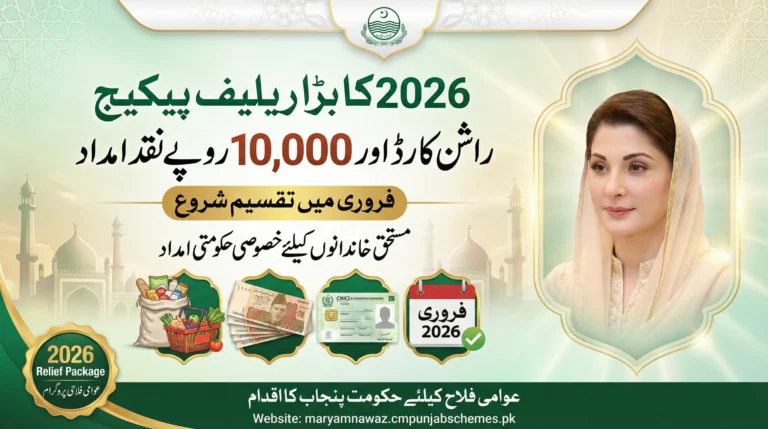
In a country where rising prices often squeeze household budgets, social welfare programs become more than policies they become lifelines. The Benazir Income Support Programme (BISP) continues to stand as one of Pakistan’s most impactful safety nets in 2026. For countless families, this initiative is not just financial help; it’s dignity, stability, and a quiet reassurance that someone cares. Interestingly, many families who benefited from schemes like the Ramzan Relief package 2026 are also linked with BISP databases, creating a stronger welfare ecosystem.
Quick Summary About Benazir Income Support Programme (BISP) 2026
| Feature | Details |
|---|---|
| Program Name | Benazir Income Support Programme (BISP) |
| Launch Year | 2008 |
| Target Beneficiaries | Low-income women & families |
| 2026 Payment Trend | Increased quarterly stipends |
| Registration Method | NSER Survey & Online Verification |
| Coverage | Millions of households nationwide |
| Linked Programs | Utility subsidies, Ramzan Relief package 2026 style initiatives |
What is Benazir Income Support Programme (BISP)?
The Benazir Income Support Programme (BISP) is Pakistan’s largest unconditional cash transfer program, primarily designed to assist financially vulnerable women. Over the years, it has evolved from simple cash disbursement into a comprehensive welfare platform connected with education stipends, nutrition support, and emergency relief campaigns.
By 2026, the system became more digitized, transparent, and accessible an encouraging transformation for a program once criticized for delays and paperwork chaos.
Why BISP Still Matters in 2026
Shield Against Inflation
With grocery bills climbing and utility charges fluctuating, BISP provides a predictable financial cushion. Even a modest quarterly payment can protect families from emotional and financial collapse.
Empowering Women
Payments are usually issued in the name of women, strengthening their decision making power within households. This empowerment effect is subtle yet profoundly inspiring.
Social Stability
Welfare initiatives reduce desperation and build trust in public institutions. When citizens feel supported, communities become calmer and more hopeful.
Major Updates and Improvements in 2026
Increased Quarterly Stipends
Beneficiaries witnessed gradual increases in quarterly cash amounts to match inflation trends. While not luxurious, the support felt meaningful and timely.
Biometric Verification Expansion
To reduce fraud and duplication, biometric verification systems expanded into rural and semi-urban areas. This move boosted transparency but initially caused long queues an emotional mix of frustration and relief.
Integration with Relief Schemes
Databases linked with initiatives similar to the Ramzan Relief package 2026 allowed governments to quickly identify deserving households during emergencies or festive seasons.
Key Benefits Under BISP
Cash Assistance
The core benefit remains direct financial transfers that families can use according to their priorities—food, medicine, or school supplies.
Educational Stipends
Conditional cash grants encourage parents to keep children, especially girls, in school. This long-term vision feels both practical and heartwarming.
Nutrition & Health Support
Special programs for pregnant women and infants aim to combat malnutrition an often overlooked but critical issue.
Eligibility Criteria
While requirements can shift slightly, general eligibility includes:
- Low household income
- Registration in NSER database
- Valid CNIC
- Female head of household preference
- Absence of government employment or high assets
The verification process may feel technical, but it prevents misuse and ensures fairness an essential balance between compassion and accountability.
Also Read: Benazir Income Support Programme (BISP) 2026
Registration and Verification Process
NSER Survey
Families are enrolled through the National Socio-Economic Registry survey. Officials collect income and family data, which determines eligibility scores.
Online and SMS Verification
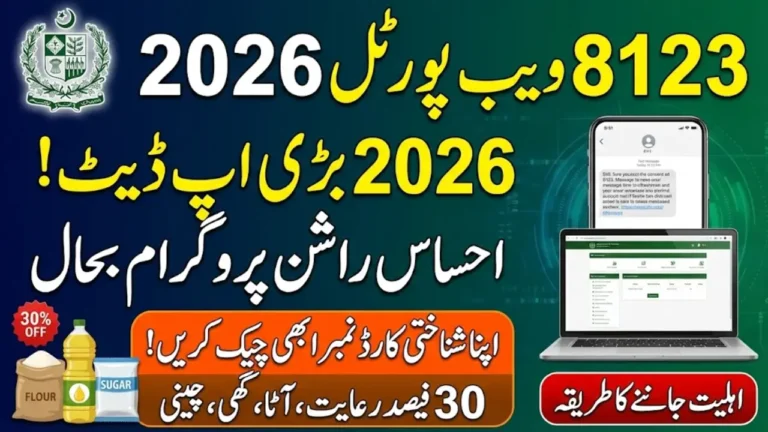
Applicants can check status through official portals or SMS services. This digital convenience reduced travel costs and saved precious time for rural families.
Real-Life Impact Story
Consider a widow in Bahawalpur raising two children alone. Through BISP stipends and education grants, she managed to keep both kids in school instead of sending them to work. The financial amount wasn’t huge, but the emotional impact was enormous—hope replacing fear, stability replacing uncertainty. Stories like these reveal the human heartbeat behind policy headlines.
Challenges and Criticism
No welfare system is flawless. Some concerns still surface:
- Biometric device malfunctions
- Delayed payments in remote regions
- Limited awareness campaigns
- Occasional overcrowding at payment centers
Yet, public sentiment often swings toward gratitude rather than anger, because even imperfect help feels better than silence.
Tips for Beneficiaries
- Keep CNIC updated and valid.
- Regularly verify status via SMS or portal.
- Avoid middlemen or unofficial agents.
- Store payment receipts safely.
- Participate in awareness sessions if available.
Emotional and Social Impact
Beyond numbers, BISP carries emotional weight. It restores dignity, reduces anxiety, and creates a quiet sense of belonging. Words like relief, security, and hope frequently appear in beneficiary conversations. Of course, frustrations exist, but the overall tone remains cautiously optimistic.
FAQs:
Who can apply for BISP in 2026?
Low-income families, especially women heading households, are the primary beneficiaries. Eligibility depends on NSER poverty scores.
How are payments received?
Through designated banks, biometric ATMs, or authorized payment centers.
Is BISP connected to other relief programs?
Yes, beneficiary databases often align with seasonal initiatives such as ration or relief packages, improving targeting efficiency.
Can someone reapply if rejected?
Yes. Families can request re-survey or update their information if circumstances change.
Are educational stipends automatic?
No. Parents must ensure children meet attendance criteria to continue receiving support.
Conclusion:
The Benazir Income Support Programme (BISP) in 2026 remains a powerful symbol of social compassion blended with administrative reform. It doesn’t magically erase poverty, but it softens its harsh edges and gives families breathing space. In a world where economic uncertainty can feel overwhelming, even a modest, consistent support system can spark resilience, courage, and renewed faith in a better tomorrow.